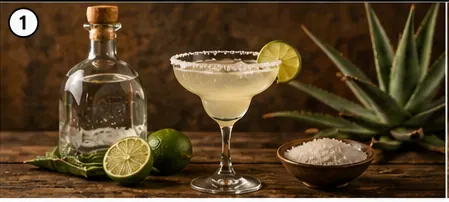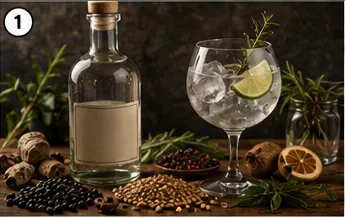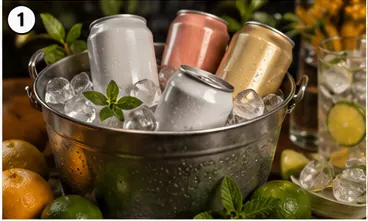
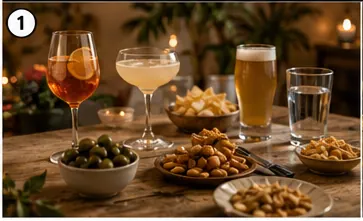
A lighter party menu is about pacing, food, water, and measured choices.
Low-ABV Drinks for House Parties: How to Plan Lighter Serves
A practical guide to low-ABV house party drinks, including session beer, spritz-style serves, long drinks, food, water, pacing, and responsible planning.
A low-ABV party menu is not about making a gathering boring. It is about giving adults more flexible choices, especially when the setting is long, food is involved, and people want to socialise without making strength the centre of the night.
ABV means alcohol by volume. Lower-ABV drinks usually contain less alcohol per serving than regular spirits or stronger beers, but serving size and number of drinks still matter. A large glass, repeated refills, or a sweet drink consumed quickly can undo the point of choosing lighter serves.
Start with the occasion, not the bottle
Before choosing drinks, ask what kind of party it is. Is it a dinner? A casual terrace evening? A birthday with snacks? A game night? A long gathering needs different pacing than a short toast. The lighter the menu, the more important food, water, ice, and non-alcoholic options become.
A good plan usually includes fewer high-strength serves, more mixers, visible water, and drink options that do not pressure everyone to consume the same thing.
Session beer is the easiest starting point
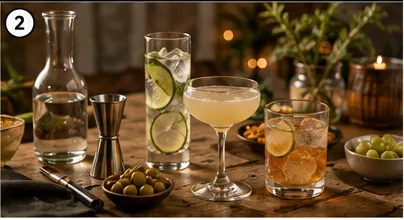
Session beer is built around the idea of a drink that can fit longer conversations and food. It is not one flavour style. A session beer can be a lighter lager, pale ale, wheat beer, or another easy-drinking style. The key is balance: flavour without too much weight or strength.
For a house party, session beer works well when guests want something simple with snacks. It is usually easier to explain than a complicated cocktail menu, and it pairs with casual food without requiring much setup.
Spritz-style drinks can keep the mood lighter
A spritz-style serve usually combines a bitter, wine-based, or spirit-led element with bubbles, ice, and garnish. The result often feels lighter than a neat spirit pour because it is stretched with sparkling ingredients and served slowly.
The mistake is making the glass huge and then increasing the alcohol pour. Use chilled ingredients, enough ice, and a measured base. A spritz should feel refreshing, not secretly strong.
Long drinks are useful if the pour is measured
A long drink such as gin with soda, vodka with tonic, rum with ginger, or whisky with soda can be lighter in feel because the drink has more mixer and ice. But it is only lighter if the base pour is measured. A tall glass does not mean more spirit should be added.
Keep jiggers or measured pours available if you are hosting. This makes the party more predictable and reduces the chance of accidental over-serving.
Build a lighter drinks table
- Keep water bottles or a water dispenser visible.
- Serve food before and during drinks.
- Offer at least one non-alcoholic option that feels intentional.
- Choose one or two low-ABV drink styles instead of too many bottles.
- Use smaller glasses for stronger options.
- Label mixers and garnishes clearly.
- Plan safe rides before the party gets late.
Do not treat low-ABV as unlimited
Lower alcohol does not mean no alcohol. People may still need to avoid drinking for medical, religious, professional, driving, personal, or legal reasons. A good host makes refusal easy and does not turn moderation into a performance.
The best low-ABV menu gives guests choices without pressure. It supports conversation, food, pacing, and safety.