A clear guide to non-alcoholic and low-alcohol beer, label reading, taste expectations, moderation trends, and why definitions can vary.
Non-Alcoholic Beer in 2026: What It Is and How to Understand It
A clear guide to non-alcoholic and low-alcohol beer, label reading, taste expectations, moderation trends, and why definitions can vary.
Why low/no-alcohol beer is getting attention
Low- and no-alcohol beer gives people another way to participate in a beer occasion without choosing a regular-strength drink. It can suit a lunch, a workday, a social setting, or a personal decision to avoid alcohol.
The category is not one uniform product. Taste, label wording, production method, and the amount of alcohol stated on the pack can vary, so the useful habit is to read carefully rather than assume that every alcohol-free claim means exactly the same thing.
What non-alcoholic beer means
Non-alcoholic is a broad everyday phrase, while individual products may use terms such as 0.0 percent, alcohol-free, or low alcohol. Those terms can have different meanings depending on the product and local rules.
PourBud presents product information for discovery. The product label remains the final source for the stated alcohol content, ingredients, serving guidance, and any warning relevant to your situation.
Why 0.0%, low alcohol, and alcohol-free labels differ
A 0.0 percent claim communicates a specific figure on the label, while low-alcohol products may state a small amount. Alcohol-free wording should still be checked against the full package information, especially if you need to avoid alcohol strictly.
This matters for personal, religious, medical, workplace, driving, and legal reasons. When the distinction is important, do not rely on colour, taste, or the front of the pack alone.
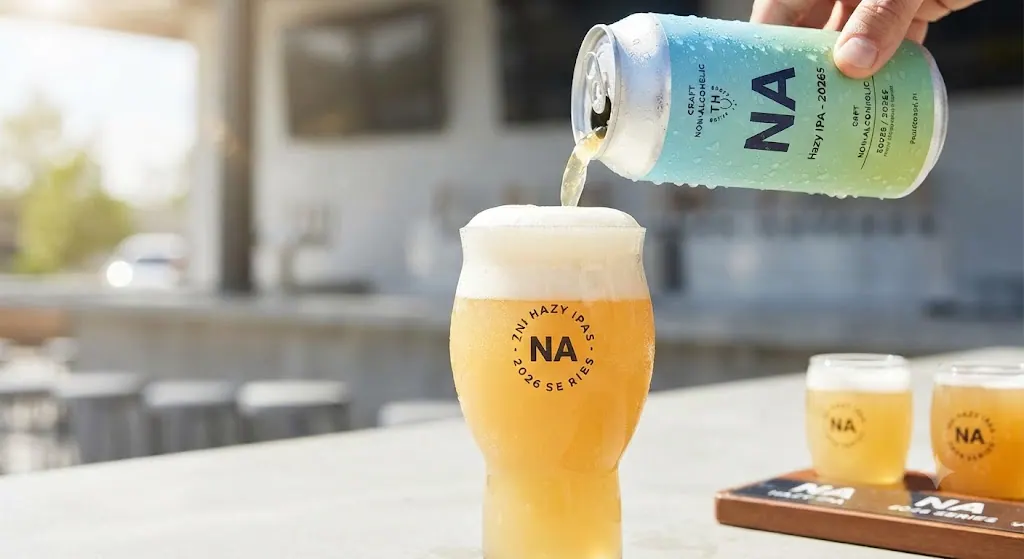
How it tastes compared with regular beer
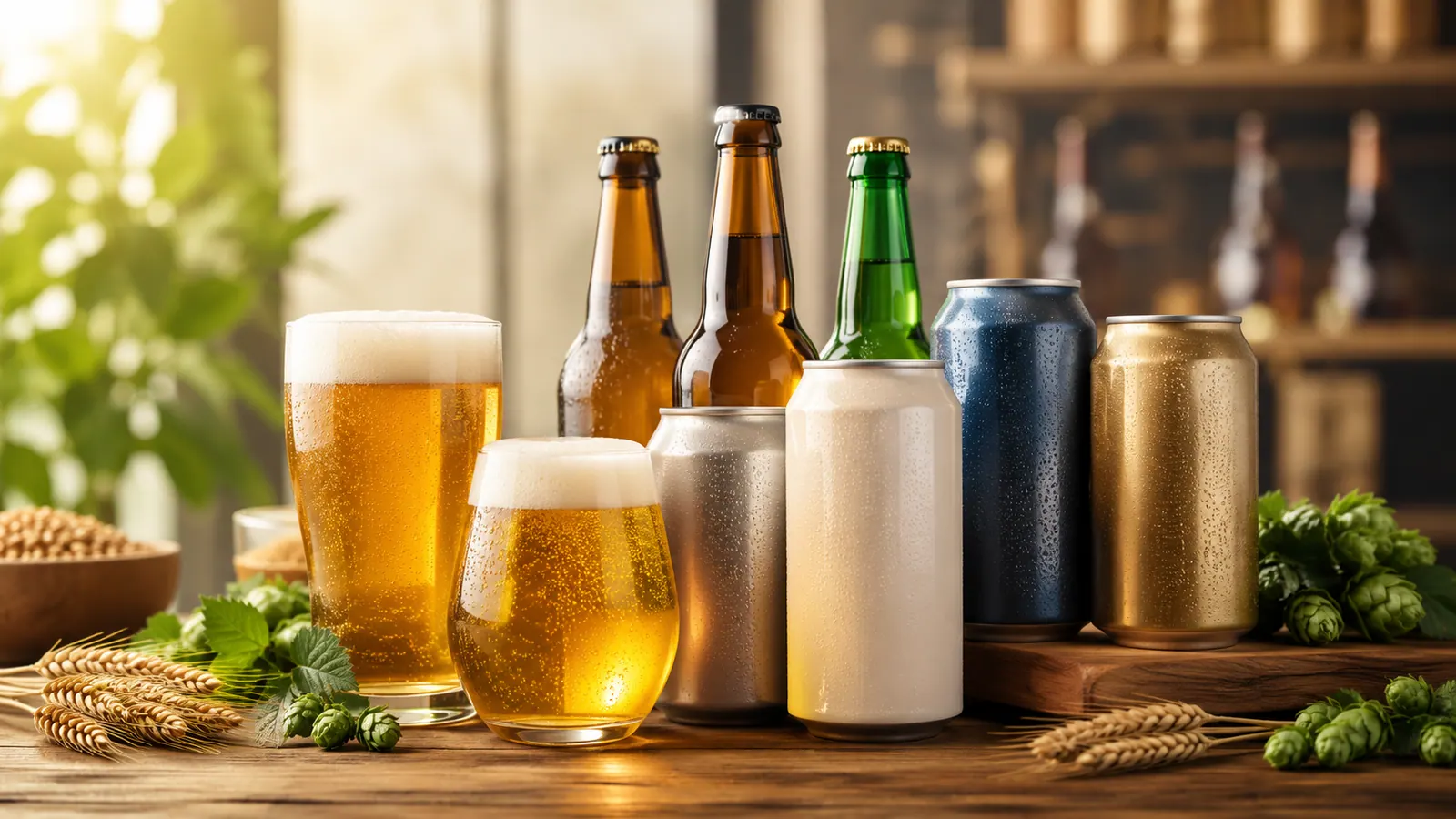
Brewers try to preserve familiar malt, hop, bitterness, and carbonation, but the balance may feel different from a regular beer. Some examples are crisp and dry, some are sweet or cereal-like, and others focus on hop aroma.
Serve it cold but taste it with attention. A glass, fresh carbonation, and a suitable food pairing can make the profile easier to understand than drinking directly from the container.
Who may choose it
People may choose low/no-alcohol beer for many reasons: avoiding alcohol, taking a break, joining a social setting, or wanting a beer-like flavour with a different strength profile. No explanation is required, and the choice should be respected.
It is still important to check the label if you must avoid all alcohol. Product names and marketing language are not a substitute for the stated contents.
Why labels matter
Look for ABV, serving size, ingredients, allergens, and storage guidance. If the product is listed in a city catalogue, also remember that availability and price can change by location and time.
A product page can help with discovery, but a local retailer or official package information should be used for the final purchase decision and current availability.
How to serve it better
Use a clean glass, keep the serve cold, and choose food that does not bury the malt or hop profile. Salty snacks, grilled foods, and lighter meals can provide useful contrast.
For gatherings, keep low/no-alcohol options visible rather than treating them as an afterthought. That makes it easier for every guest to choose what suits them.
What to check before choosing
Check the exact alcohol statement, the container volume, ingredients, and local availability. If you are comparing prices, compare like-for-like volumes and remember that a catalogue price is informational and can change.
Do not assume that a product is suitable for a strict alcohol-free requirement without reading its current label. When in doubt, choose a clearly alcohol-free alternative and follow the relevant guidance.