Gin becomes easier to understand when you think in botanicals, mixer, garnish, and pour size.
Indian Craft Gin: Botanicals, Mixers, and What Beginners Should Know
A beginner-friendly guide to Indian craft gin, botanicals, tonic, garnish, mixers, simple cocktails, food pairing, and responsible discovery.
Gin is one of the easiest spirits to overcomplicate and one of the easiest to enjoy simply. At its core, gin is defined by botanical flavour, especially juniper, but modern Indian craft gin can also bring citrus, spice, herbs, floral notes, tea-like aromas, or regional ingredients into the glass.
This guide is for beginners who want to understand gin before choosing a bottle or building a simple serve. You do not need a long cocktail list. You need to understand botanicals, tonic, garnish, ABV, and how mixers change the drink.
Botanicals are the heart of gin
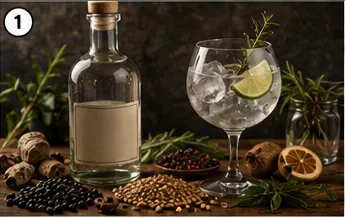
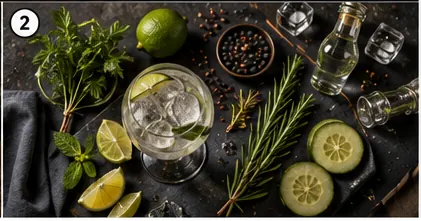
Botanicals are the flavouring ingredients used to shape gin. Juniper is the classic centre, but citrus peel, coriander seed, pepper, cardamom, herbs, flowers, roots, and local ingredients can all change the final profile. Some gins feel bright and citrusy, while others feel spicy, earthy, floral, or savoury.
For Indian craft gin, botanicals can be especially interesting because producers may use local flavour cues. That does not mean every local ingredient will be obvious in the glass. Think of botanicals as an aroma direction, not a checklist you must identify perfectly.
Tonic can make or break the serve
A gin and tonic is simple, but the tonic matters. A sweeter tonic can soften a sharp gin. A bitter tonic can make the drink more adult and dry. A flavoured tonic can push the glass toward citrus, elderflower, spice, or fruit. The wrong tonic can hide the gin completely.
Start with a basic tonic or soda before adding complicated mixers. If the gin is already aromatic, a simple mixer often works better than a crowded glass.
Garnish should support the aroma
A garnish is not just decoration. Citrus peel can lift aroma, cucumber can make the drink feel cooler, mint can brighten it, and rosemary can make it feel more herbal. But too much garnish can fight the gin. Use one direction at a time.
If a gin already smells citrusy, try lemon or grapefruit peel. If it smells spicy, a simple slice of orange or a mild herb may work better. If it is floral, avoid overpowering it with too much lime.
Simple gin serves for beginners
- Gin and tonic for the classic baseline.
- Gin and soda for a drier, cleaner serve.
- Gin with cucumber and lime for freshness.
- Gin with ginger ale for a warmer, sweeter direction.
- Gin spritz-style serve for a lighter party drink.
- Gin sour only when you are comfortable balancing citrus and sweetness.
How to choose a gin bottle
Choose by flavour direction first. Citrus-led gin suits tonic, soda, and summer-style serves. Spiced gin can work with ginger, orange, or Indian snacks. Herbal gin can be excellent but may need a cleaner mixer. Floral gin can be delicate, so avoid heavy cola or very sweet mixers at first.
Also check ABV, bottle size, price, and reviews. A higher price does not guarantee that a gin will match your taste. A more aromatic gin may be better for gin and tonic, while a cleaner gin may work better for cocktails.
Food pairing and hosting context
Gin can work with seafood, grilled food, fresh cheese, light snacks, citrus-led dishes, and mildly spicy Indian snacks when the flavours are balanced. The pairing should not make the drink taste bitter or the food taste metallic. Keep the mixer simple when the food is already complex.