
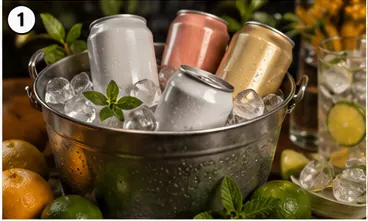
RTD drinks are convenient, but the label still matters.
Ready-to-Drink Cocktails in India: What RTD Really Means
A beginner guide to ready-to-drink cocktails in India, including RTD meaning, ABV, label reading, mixers, party use, and responsible serving.
Ready-to-drink, often shortened to RTD, usually means a packaged drink that is already mixed and meant to be served without building a full cocktail from scratch. In India, this can include canned cocktails, premixed long drinks, alcoholic sparkling drinks, and other packaged serves depending on the product and local regulations.
RTD does not automatically mean light, safe, weak, premium, or party-ready. It simply means the mixing step has already been done by the producer. You still need to read the category, ABV, pack size, flavour description, and local price context before deciding how it fits an occasion.
RTD is convenience, not a quality guarantee
The appeal of RTD drinks is simple: no measuring, no multiple bottles, no separate mixer, and no complicated bar setup. That makes them useful for picnics, small house gatherings, casual parties, or people who want a predictable flavour from a sealed pack.
But convenience can also hide details. A sweet flavour can make alcohol feel softer than it is. A small can can still have meaningful alcohol depending on ABV. A big can may look casual but should still be treated like a measured drink.
ABV is the first number to check

For RTD drinks, ABV can vary widely. Some are closer to beer strength, some are lighter, and some are stronger cocktail-style serves. Do not decide by flavour alone. A lemon, berry, cola, ginger, or tropical flavour does not tell you the actual alcohol level.
Also check pack size. A 250 ml can and a 500 ml can with the same ABV do not represent the same amount of alcohol. For parties, count servings by alcohol strength and volume, not by number of cans only.
RTD vs making a cocktail yourself
Making a cocktail yourself gives more control over strength, sweetness, citrus, ice, and garnish. An RTD drink gives more consistency and speed. Neither is automatically better. The right choice depends on the setting.
For example, a gin and tonic built at home lets you choose the gin, tonic, garnish, and pour size. An RTD gin-style drink may be simpler but less flexible. A rum highball can be adjusted with lime and ginger, while a canned rum-style drink gives one fixed flavour.
When RTDs work well at a house party
RTDs can help when you want simple choices, clear portions, less mixing equipment, or a quick backup option for guests. They can also reduce confusion if people are not comfortable mixing spirits. Place them with water, food, and non-alcoholic options instead of treating them as the whole drinks menu.
A balanced party table might include beer, a simple spirit-and-mixer setup, some RTD options, plenty of water, snacks, and non-alcoholic alternatives. Avoid building a menu where sweet RTDs are consumed quickly because they feel easy.
What to check on an RTD label
- ABV percentage
- Can or bottle size
- Base spirit or drink category
- Sugar or sweetness cues if shown
- Flavour description
- MRP and city context
- Responsible consumption warning
- Whether the product is actually alcoholic or alcohol-free
The best way to use RTD drinks is to treat them as one possible format, not as a shortcut around responsible planning. They can be useful, but they still need the same adult judgement as beer, wine, or spirits.