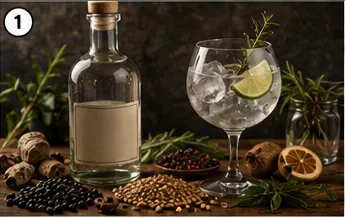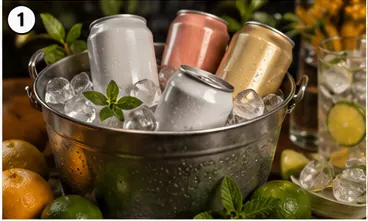
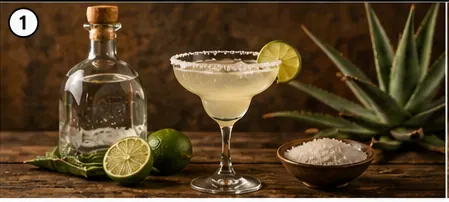
Tequila is easier to understand when you separate agave, ageing, mixer, and serving style.
Tequila and Agave Drinks: A Beginner’s Guide for India
A beginner guide to tequila and agave drinks in India, covering blanco, reposado, añejo, mixers, margarita-style serves, labels, and responsible context.
For many beginners in India, tequila still means shots, salt, lime, and loud parties. That is only one narrow picture. Tequila is an agave-based spirit with official style categories, and it can appear in neat serves, margarita-style drinks, highballs, spritz-style variations, and ready-to-drink formats.
This guide keeps the explanation simple: what tequila is, how blanco, reposado, and añejo differ, what mixers work, and how adults can compare bottles without treating tequila as only a party dare.
Tequila starts with agave
Tequila is made from blue agave in Mexico under specific rules. Agave can bring earthy, green, peppery, sweet, herbal, or cooked-fruit notes depending on production and ageing. If you are used to whisky, rum, or vodka, agave may feel like a different flavour language.
That is why beginners should avoid judging tequila only by smoothness. A good tequila may show clear agave character, not just softness. The right question is whether you enjoy the flavour direction and serving style.
Blanco: bright and agave-forward
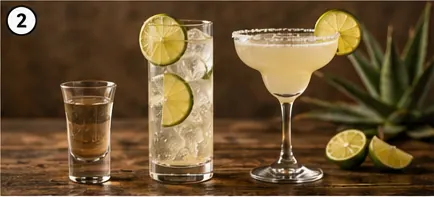
Blanco, also called silver in some markets, is usually the clearest expression of agave because it has little or no barrel influence. It can taste fresh, peppery, herbal, citrusy, or slightly sweet. This makes it useful for margarita-style serves, palomas, tequila soda, and other bright drinks.
If you want to understand tequila itself, blanco is a good starting point. It shows whether you like agave before oak and ageing enter the conversation.
Reposado: rested with some oak influence
Reposado means rested. It spends time in wood, which can bring vanilla, light spice, roundness, or softer edges. It may still show agave clearly, but the barrel influence makes it feel more familiar to people who enjoy whisky or aged rum.
Reposado can work in cocktails where you want more depth, or as a slower sipping option for people who find blanco too sharp. It is not automatically better than blanco; it is simply a different balance.
Añejo: deeper barrel character
Añejo has longer ageing and typically brings more oak, caramel, spice, dried fruit, or richer texture. It can feel closer to other aged spirits, but agave should still be part of the experience. If the drink tastes only like generic oak sweetness, compare labels and reviews more carefully.
Beginners do not need to start with añejo. Start with the serving style you actually want: bright cocktails, balanced highballs, or a slower neat pour.
Beginner-friendly tequila serves
- Tequila with soda and lime for a simple long drink.
- Margarita-style serve when citrus and sweetness are balanced.
- Paloma-style serve with grapefruit or citrus soda where available.
- Reposado with ginger ale for a softer, warmer direction.
- Small neat pour only if you want to understand the bottle slowly.
- Avoid turning every tequila occasion into shots.
What to check before choosing
Read the label for category, ABV, bottle size, origin, and style. Check whether it is blanco, reposado, añejo, or another expression. Compare prices by city and bottle size because tequila can vary widely depending on import, availability, and local market context.
If you are trying tequila for cocktails, do not overspend only because the bottle looks premium. If you are trying it neat, choose a style that actually fits your taste. Either way, use measured pours and keep food and water nearby.