A beginner-friendly guide to beer styles, flavour words, ABV, serving context, and how to choose your first few beers without confusion.
Best Beers for Beginners: Lager, Wheat Beer, IPA, and Stout Explained
A beginner-friendly guide to beer styles, flavour words, ABV, serving context, and how to choose your first few beers without confusion.
Start with style, not brand
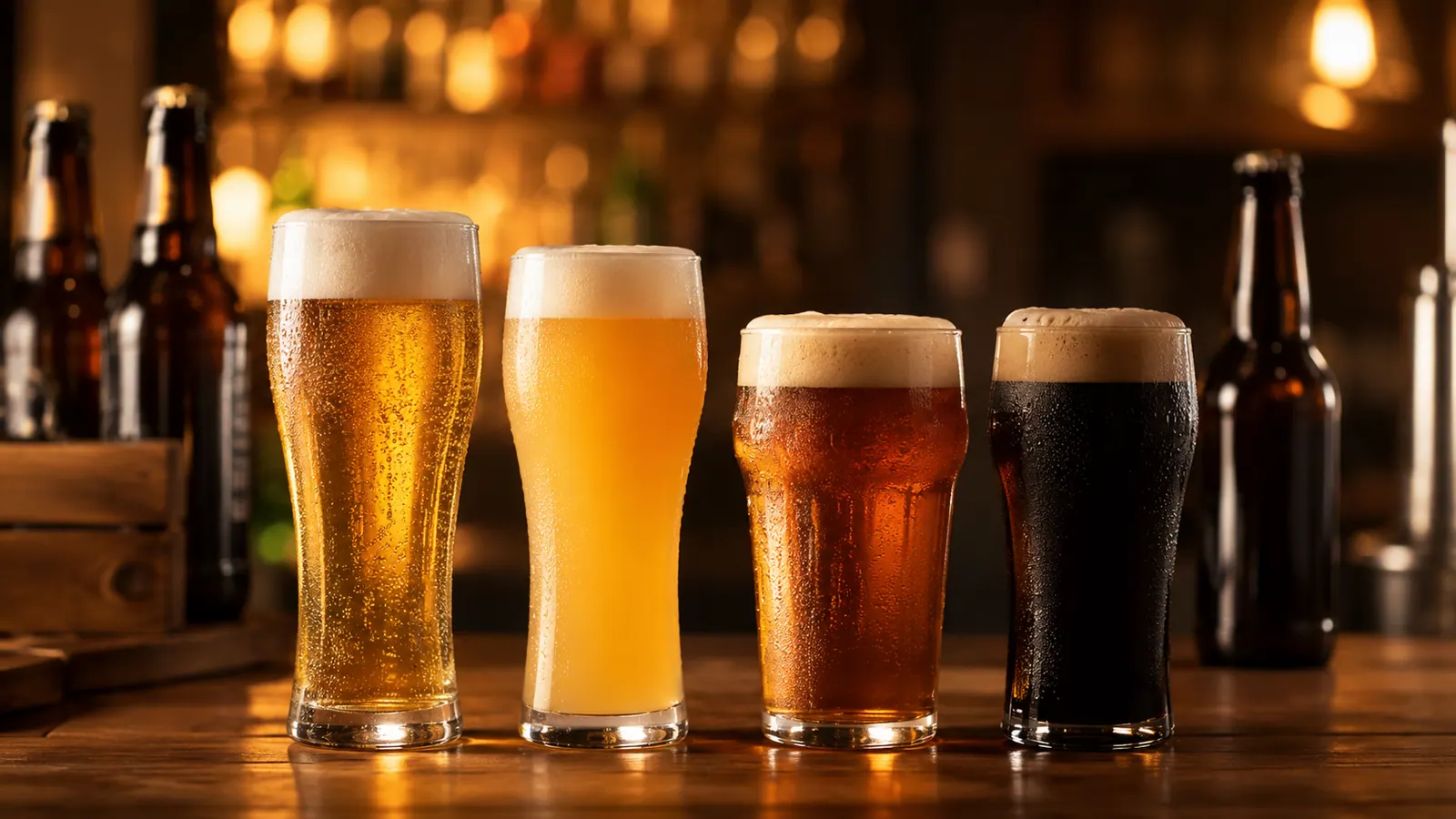
A beginner does not need to memorise dozens of labels. Start by choosing the kind of experience you want: crisp and clean, soft and aromatic, bitter and fragrant, or dark and roasted. Style gives you a better starting point than a brand name alone.
When comparing beers in India, also look at ABV, serving size, temperature, and the food available. These practical details often decide whether the first sip feels balanced or overwhelming.
First beer to understand: lager
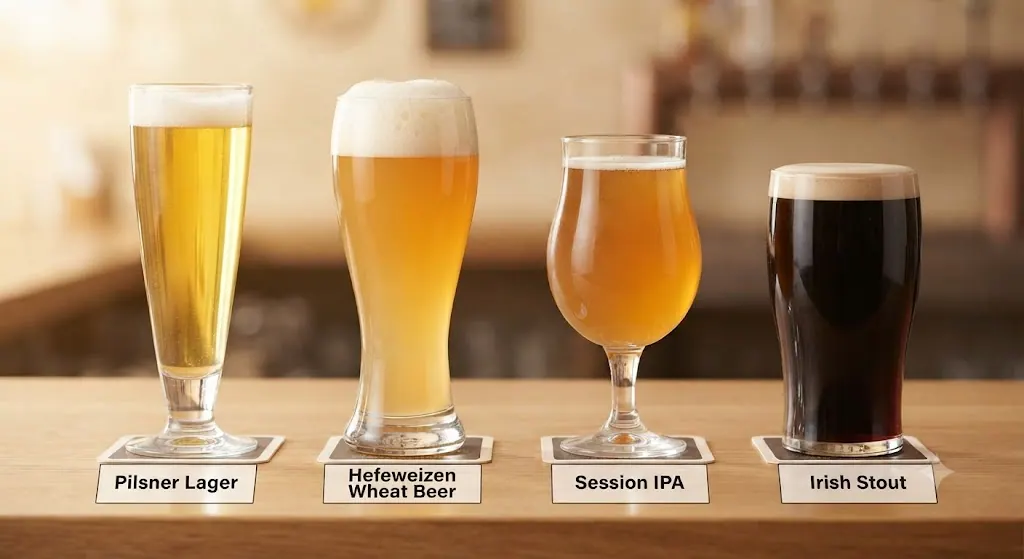
Lager is a useful first reference because its profile is often clean and direct. Look for gentle malt, moderate carbonation, and bitterness that stays in the background. It can be refreshing with snacks and does not require a complicated tasting routine.
Try a few examples slowly rather than deciding that every lager tastes the same. Notice whether one is drier, sweeter, fuller, or more bitter. Those small differences help build a vocabulary for later choices.
Next step: wheat beer
Wheat beer can feel softer because wheat contributes to texture and foam, while the recipe may add citrus or spice-like notes. It is a useful next step for someone who wants more aroma without immediately moving to strong bitterness.
Serve it with lighter food, grilled vegetables, salads, or dishes with herbs and citrus. The aim is not to find a universal best beer, but to learn which texture and aroma you enjoy.
When to try IPA
IPA is a good choice when you are curious about hop aroma and bitterness. Citrus, tropical fruit, pine, and floral notes are common directions, but the intensity varies. A pale, modern IPA may be easier for a beginner than a very bitter example.
Take a small sip and let the finish settle before deciding. If bitterness feels strong, food with some fat, spice, or richness may create a more balanced experience than delicate snacks.
When dark beer makes sense
Porter and stout show how malt can bring roasted, coffee-like, cocoa, toast, or caramel notes. Dark colour is not a reliable measure of alcohol strength, so check the label before choosing.
Dark beer can work well with roasted food, desserts, and strong cheese. If the texture feels too heavy, a dry or lighter-bodied example may be a better introduction than a very rich version.
Strong beer is not a beginner shortcut
Strong beer is common and can be enjoyable, but it is not automatically a better introduction. Higher ABV and a larger serving can make the experience more intense even if the flavour seems familiar.
Read the ABV and pack size together. If you are comparing prices, remember that city listings and pack sizes can differ, so a lower displayed price does not always mean the same quantity or strength.
ABV and serving size basics
ABV tells you the percentage of alcohol by volume, while the container tells you how much liquid you are actually drinking. Both matter. A modest-looking can and a large bottle may create very different totals when the ABV changes.
Choose a measured serving, drink slowly, and avoid using flavour or carbonation as a guide to strength. If you are unsure, the label and local guidance are more useful than assumptions.
Food pairings that make beer easier
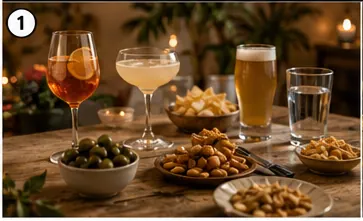
Salt, spice, acidity, sweetness, and richness all change how beer tastes. Crisp lagers can refresh salty food, wheat beer can suit lighter dishes, and darker styles can stand beside roasted or sweet flavours.
Start with a simple plate and notice what changes in the next sip. Pairing is a learning tool, not a rulebook, so personal preference matters more than a perfect match.
Beginner tasting order
For a small comparison, move from lighter and less bitter beer to more aromatic, bitter, or roasted examples. Use clean glasses if possible, take notes in plain language, and pause between samples.
A good first tasting is about learning what you like and how quickly strength affects you. It does not need to become a challenge or a race.