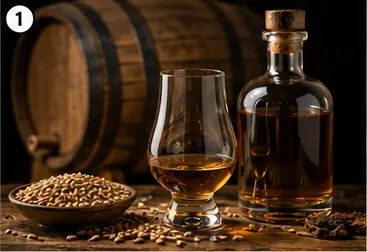
Indian single malts are easier to understand when you separate style, cask, climate, and flavour.
Indian Single Malts in 2026: Why Homegrown Whisky Is Getting Attention
A beginner-friendly guide to Indian single malts in 2026, covering malt whisky basics, Indian climate maturation, cask influence, and how to compare bottles.
Indian single malt whisky has moved from niche curiosity to a serious conversation for many adult drinkers. People who once compared only imported Scotch or familiar blended whisky are now seeing more homegrown single malts on shelves, menus, and price pages. The category is interesting because it combines malt whisky rules with Indian climate, local production choices, and a fast-growing premium whisky audience.
This guide is not about declaring one bottle the best. It is about understanding what Indian single malt means, why it tastes different from many blended whiskies, and how to compare it with Scotch or world whisky without being pushed only by price, awards, or packaging.
What single malt means
Single malt generally means malt whisky from one distillery, made from malted barley. The word single does not mean one barrel, and malt does not mean every bottle will taste the same. A distillery may use different casks, ages, finishes, and batches while still staying within the broader single malt idea.
For a beginner, the useful comparison is this: single malt is usually more distillery-led, while blended whisky is built by combining whiskies to create a consistent house style. Neither is automatically superior. They are different ways of building flavour.
Why Indian climate changes the conversation
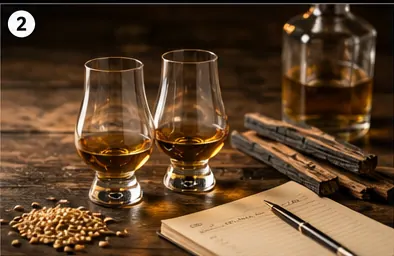
Whisky maturation depends on time, wood, temperature, humidity, and warehouse conditions. In warmer climates, whisky can interact with the cask differently than in cooler regions. That can make Indian single malts feel bold, fruity, spicy, or oak-forward at younger age statements compared with some cooler-climate whiskies.
This does not mean Indian whisky matures magically or that age stops mattering. It means you should not compare age numbers without context. A label, cask type, distillery style, and flavour description often tell a fuller story than the number alone.
Indian single malt vs blended Indian whisky
Many Indian drinkers first encounter whisky through blended bottles. Blends can be smooth, familiar, and useful for mixing or casual serves. Single malts often invite slower comparison because the character of one distillery is more visible. You may notice cereal sweetness, tropical fruit, spice, oak, smoke, dried fruit, or a richer finish depending on the bottle.
A useful beginner habit is to taste with water beside you and avoid judging only by the first sip. Whisky can open up after a few minutes in the glass. If you are comparing on PourBud, look at category, origin, ABV, bottle size, price context, and user reviews together rather than relying on one score.
Cask influence: the detail beginners should notice
Casks shape whisky through oak, previous contents, toast, char, and time. Bourbon casks can bring vanilla, coconut, honey, or light spice. Sherry-style casks may bring dried fruit, nuttiness, or deeper sweetness. Peated or smoky expressions can feel very different again.
When a bottle mentions cask type, read it as a flavour clue, not a guarantee that you will enjoy it. If you like lighter, fruitier profiles, one Indian single malt may suit you better than a heavier cask-strength or deeply sherried expression. If you like bold flavours, the opposite may be true.
How beginners can compare Indian single malts
- Start with ABV and serving size before judging strength.
- Check whether it is a regular expression, cask finish, peated style, or limited release.
- Compare flavour notes: fruit, spice, oak, smoke, chocolate, cereal, or dried fruit.
- Do not assume older automatically means better for your taste.
- Use a small pour and add a few drops of water if the whisky feels tight or hot.
- Compare city price carefully because whisky pricing can vary heavily by state.
When to choose Indian single malt
Choose Indian single malt when you want a slower tasting experience, a bottle with a strong distillery identity, or a way to explore premium whisky beyond imported labels. It can fit a gift, a tasting evening, or a comparison with Scotch, but it does not need to be treated as a status symbol.
Choose a blend instead when you want a familiar highball, a casual mixing bottle, or a more predictable flavour. The better question is not which category is superior; it is which category fits the occasion, budget, food, and people.