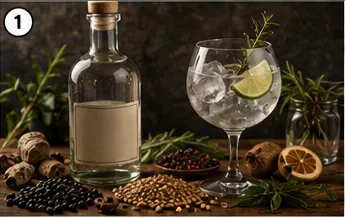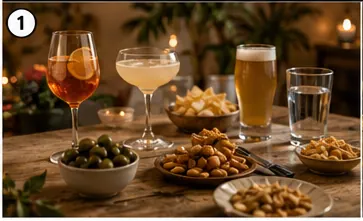

Scotch is easier to choose when you think by flavour and occasion.
Scotch of the Season: How to Choose a Bottle Without Guesswork
A practical PourBud guide to choosing Scotch by flavour, style, cask influence, age statement, and occasion without relying only on price or hype.
What makes a Scotch seasonal
A seasonal Scotch choice is less about a fixed calendar rule and more about the mood, weather, food, and style you want in the glass. A lighter whisky may suit a warm evening, while richer oak, dried fruit, or smoke can feel comfortable with a slower meal.
The idea is a useful way to explore flavour without pretending that one bottle is correct for everyone. Start with the profile and serving context, then look at the bottle details and local price.
Single malt vs blended Scotch
Single malt Scotch is made at one distillery from malted barley, while blended Scotch combines different whiskies to create a particular balance. A blend may be light and approachable or rich and smoky; a single malt can also cover a wide range.
These categories describe how the whisky is made, not a simple quality ladder. Taste both with attention to texture, aroma, and finish.
Age statements: useful but not everything
An age statement tells you the age of the youngest whisky in the bottle. It can provide context, but it does not predict every flavour or guarantee that the whisky will match your preference.
Cask choice, blending, maturation conditions, and the balance of the final whisky are equally important. Use age as one piece of information rather than the entire decision.
Cask influence: bourbon, sherry, oak, and peat
Casks can contribute vanilla, toast, dried fruit, spice, colour, and tannin. Peat adds another dimension, ranging from gentle earthy smoke to a more assertive smoky character.
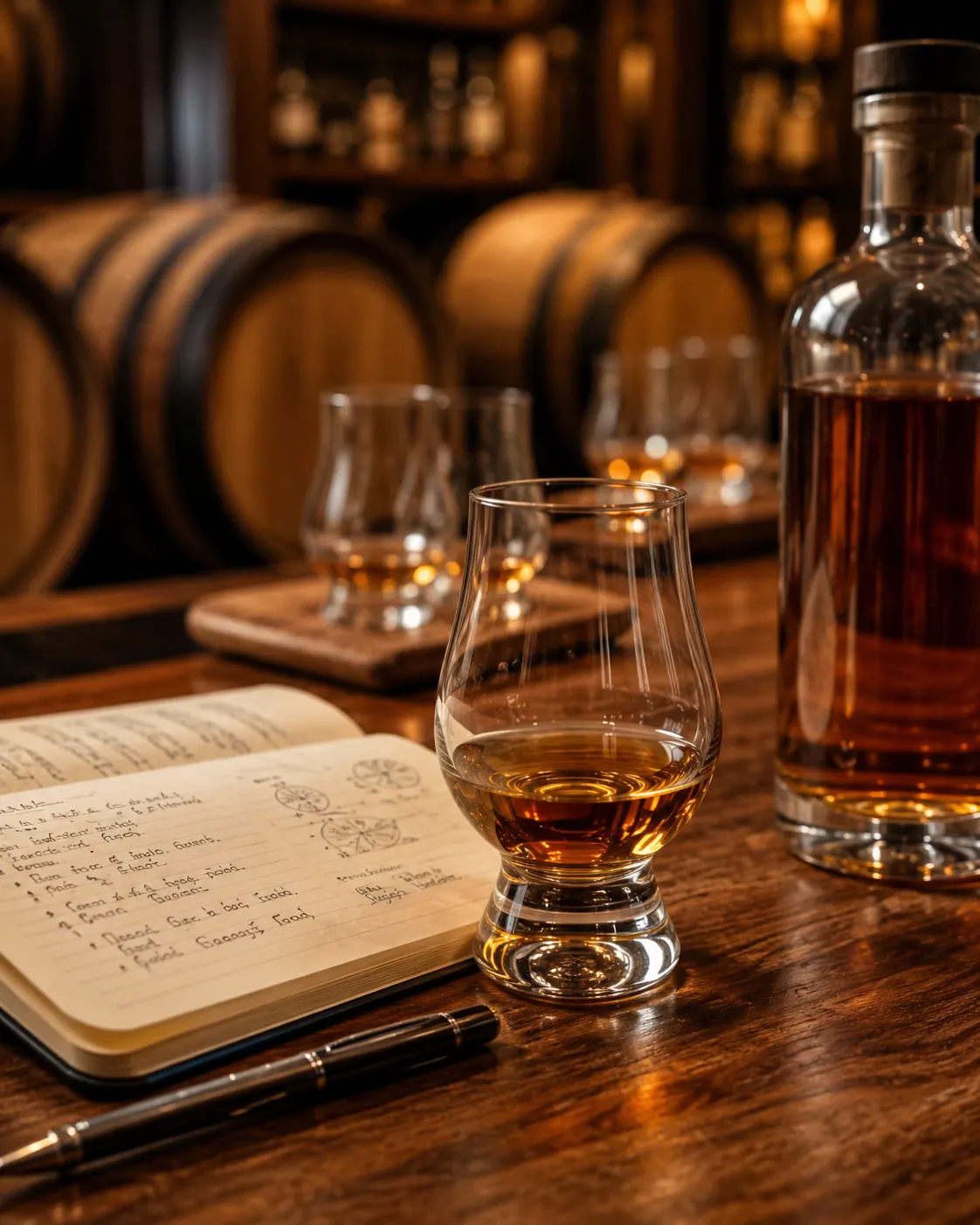
Cask language is a guide to what you might notice, not a script for what you must taste. Try the whisky slowly and allow the aroma to develop.
Flavour notes beginners can understand
Start with broad words: sweet, dry, fruity, floral, spicy, nutty, malty, smoky, or woody. There is no need to identify an exact fruit or spice before you can enjoy the comparison.
A small amount of water may change the aroma for some whiskies, but add it gradually. Compare the whisky before and after rather than assuming water always improves it.
Food pairing ideas
Rich whiskies can sit beside roasted food, mature cheese, chocolate, or dried fruit, while lighter styles may suit grilled dishes, nuts, or gentler flavours. The best pairing creates contrast or lets one flavour echo another.
Keep portions small when pairing several whiskies. The food should remain part of the experience, not become an excuse to drink quickly.
Scotch vs Indian whisky
Indian whisky and Scotch can both offer malt, grain, oak, fruit, spice, and smoke, but the ingredients, climate, maturation, and blending choices differ. Comparing them is most useful when you describe the glass rather than ranking countries.
Try one bottle from each category with the same glassware and a similar serving. Notice texture, sweetness, oak, smoke, and length, then choose based on what you actually enjoyed.
How to choose a bottle without guesswork
Use the tasting description, style, age statement, cask notes, volume, and city price together. If you prefer a gentle serve, avoid choosing only by the strongest word on the label; if you enjoy smoke, look for a clear indication of peat or smoky character.
Availability and price change by city. PourBud helps with discovery and price context, but it does not sell or deliver alcohol and local availability should be confirmed separately.
A slower seasonal pour
The best seasonal whisky habit is to slow down: use a small pour, smell before sipping, notice how the flavour changes, and stop when the tasting is complete. A seasonal recommendation should make the choice easier, not create pressure to consume.
Keep a note of what worked with the weather, food, and your own preference. That is more useful than chasing a bottle because it is described as fashionable.