A practical guide to choosing vodka by use case, ABV, texture, price, cocktail style, and party planning without relying only on brand hype.
How to Choose Vodka for Cocktails, Neat Serves, and Parties
A practical guide to choosing vodka by use case, ABV, texture, price, cocktail style, and party planning without relying only on brand hype.
Choose vodka by use case
Vodka is often described as neutral, but bottles can differ in texture, sweetness, peppery warmth, and finish. The most practical way to choose is to decide how you will serve it: in a tall mixed drink, chilled, neat, or as part of a larger party menu.
Look at ABV, bottle size, flavouring, and city availability before you compare labels. A familiar brand is not automatically the right fit for every serve.
Vodka for cocktails
In cocktails, vodka provides structure while allowing citrus, herbs, fruit, spice, or carbonation to lead. A clean vodka works well when the mixer is delicate, while a slightly more textured bottle can stand up to stronger ginger or tomato flavours.
Keep the recipe balanced. A tall glass does not require an oversized spirit pour, and a sweet mixer can make alcohol harder to notice.
Vodka for neat or chilled serves
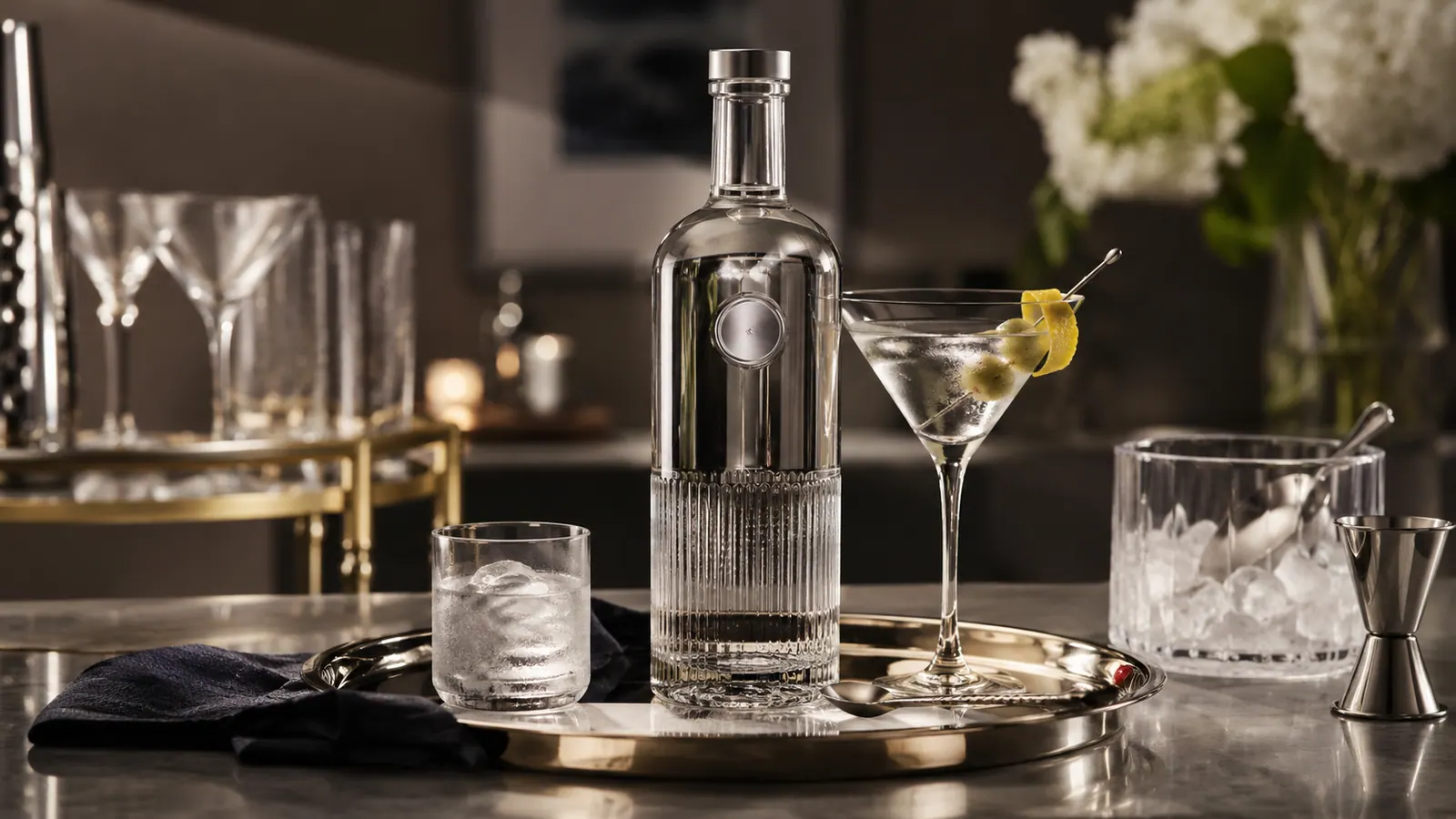
For a chilled or neat serve, temperature changes aroma and texture. Very cold vodka can feel smoother but can also hide detail, so tasting a small amount as it warms can reveal more about the finish.
Use a small glass and avoid judging a bottle from one rushed sip. Texture, warmth, sweetness, and length are more useful observations than a vague claim of smoothness.
Vodka for house parties
A party vodka should be easy to serve consistently with the selected mixers. Prepare citrus, soda, tonic, juice, ice, and alcohol-free alternatives, and put measured pours or a jigger where guests can use them.
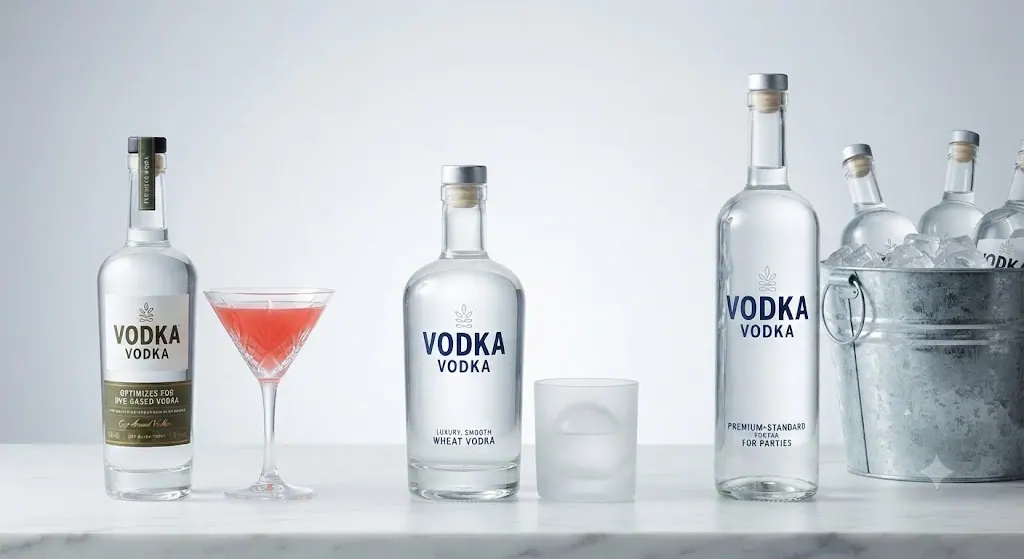
Plan around the guest list and duration instead of buying more simply because vodka mixes easily. Food, water, and a safe way home are part of the same plan.
ABV and measured pours
Many vodkas sit around a familiar strength, but always check the product label. The amount of alcohol in a drink depends on both ABV and the volume poured, so a large mixed drink can contain more than it appears to.
Use a measured pour and keep track of the number of drinks. Carbonation, sweetness, and ice affect taste, not the amount of alcohol in the spirit.
Texture and finish
Texture may feel oily, light, creamy, dry, or warming, depending on the spirit and how it is served. Filtration and water quality can be discussed by producers, but the final test is whether the bottle works in the serve you actually plan to make.
Try a small pour alongside the intended mixer. A vodka that seems plain alone may be exactly right in a citrus highball, while a strongly flavoured bottle can dominate a delicate drink.
Flavoured vodka caution
Flavoured vodka can add fruit, spice, vanilla, coffee, or herbal notes without extra cocktail ingredients. It can also bring sweetness or a strong aroma that limits what else works in the glass.
Read the flavour description and use a simple mixer first. Avoid assuming that a fruit flavour means the drink is light or low in alcohol.
Filtration claims: what to believe
Filtration descriptions are usually about production choices and texture, not a guarantee that one bottle will taste better for every person. Treat claims as context and pay attention to the actual product details and tasting experience.
Compare like-for-like bottle volumes and city prices, because local listings can differ. The most useful decision is the one that fits your serve and budget.
Best mixers for vodka
Soda keeps the drink dry and simple, tonic adds bitterness, citrus adds acidity, ginger adds warmth, and juice adds sweetness and body. Start with one mixer and adjust rather than combining everything at once.
For a menu, write the ingredient list clearly and include a non-alcoholic version where possible. Clear choices make hosting more comfortable for everyone.