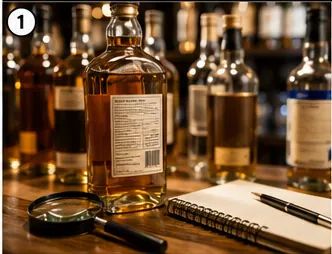
A label can tell you more than the brand name when you know which details to check.
How to Read Alcohol Labels in India in 2026
A practical guide to reading alcohol labels in India, including ABV, bottle size, age statements, cask claims, flavour claims, MRP, and responsible context.
A good alcohol label is more than decoration. It can tell you what category the drink belongs to, how strong it is, how much liquid the bottle contains, where it is made, and whether a claim on the front needs a closer look. In 2026, label reading matters even more because drinkers are comparing more styles, more price points, and more city-level availability than before.
PourBud uses product and city context to help adults compare drinks, but the bottle label is still the first source you should learn to read. Start with the basics, then move to claims like aged, cask-finished, flavoured, imported, premium, or craft. If a claim sounds impressive, check whether the rest of the label supports it.
Start with category and product name
The category tells you what kind of drink you are actually looking at: beer, whisky, rum, vodka, gin, wine, liqueur, ready-to-drink, or another style. This matters because two bottles can sit beside each other on a shelf but follow very different expectations. A whisky label, for example, should not be read the same way as a flavoured liqueur or a canned cocktail.
Look at the exact product name, not only the brand family. A brand may have standard, reserve, flavoured, cask-finished, strong, light, or ready-to-drink versions. On PourBud, this is why category pages such as whisky, rum, and beers are useful starting points before comparing specific bottles.
Read ABV before reading the marketing copy
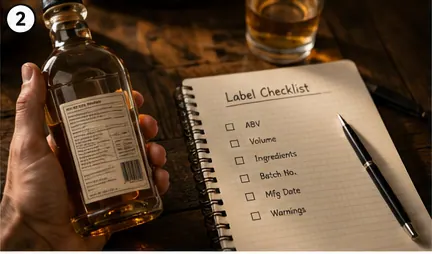
ABV means alcohol by volume. It tells you the percentage of alcohol in the liquid. A 40% spirit, a 12% wine, a 5% beer, and a 7% strong beer should not be treated as the same kind of serve. Bottle size also matters, because a smaller high-ABV drink and a larger lower-ABV drink can still change the amount of alcohol being consumed.
For beer and ready-to-drink cans, ABV helps you separate a lighter casual serve from a stronger one. For spirits, ABV helps you understand why measured pours matter. If you are planning a gathering, ABV should be part of the plan along with food, water, mixers, and non-alcoholic choices.
Be careful with age, cask, and maturation claims
Words like aged, matured, oak, sherry cask, bourbon cask, reserve, or barrel finish can be useful, but they should not be read lazily. Ask what exactly is being claimed. Is the whole liquid aged? Is it a finish? Is it a blend? Does the label clearly say an age statement, or is it only using age-like language for style and positioning?
This is especially important for whisky. An age statement usually means something specific, while cask language can describe influence, finish, or brand positioning. If you are new to this, compare labels slowly and use flavour notes as a guide, not as proof of quality.
Flavour claims are not the same as ingredients
A label may mention vanilla, caramel, oak, smoke, citrus, spice, honey, chocolate, or fruit. Some of these are tasting notes, while others may be flavouring or style cues depending on the product. Do not assume every flavour word means that ingredient was added, and do not assume every pleasant note means higher quality.
The safer habit is to separate three things: product category, ingredient or base, and tasting language. A gin may list botanicals. A flavoured vodka may state a flavour direction. A whisky may describe notes from grain, cask, blending, or finish. These are different signals.
Check volume, MRP, batch, and city context
A 180 ml, 375 ml, 500 ml, 650 ml, 700 ml, 750 ml, and 1 litre pack can make prices look confusing if you compare only the sticker amount. Always compare the bottle size and local context. Alcohol pricing in India can vary by state and city, so a label or retailer price in one city may not match another.
Also check batch, manufacturing, import, or packaging details where available. These may help explain why two bottles from the same brand look similar but have different pricing or availability.
Quick label checklist
- Product category: what type of drink is it?
- ABV: how strong is the liquid?
- Bottle size: what volume are you comparing?
- Origin or bottling context: where is it linked to?
- Age or cask wording: is the claim specific or just marketing?
- Flavour words: are they tasting notes or actual flavouring claims?
- MRP and city context: does the price match the local market?
- Safety note: does the label include responsible consumption warnings?
A good label-reading habit does not make every purchase perfect, but it reduces confusion. It helps you compare similar-looking bottles, avoid being led only by premium words, and understand what PourBud is showing when it lists category, origin, ABV, price, and review context.