
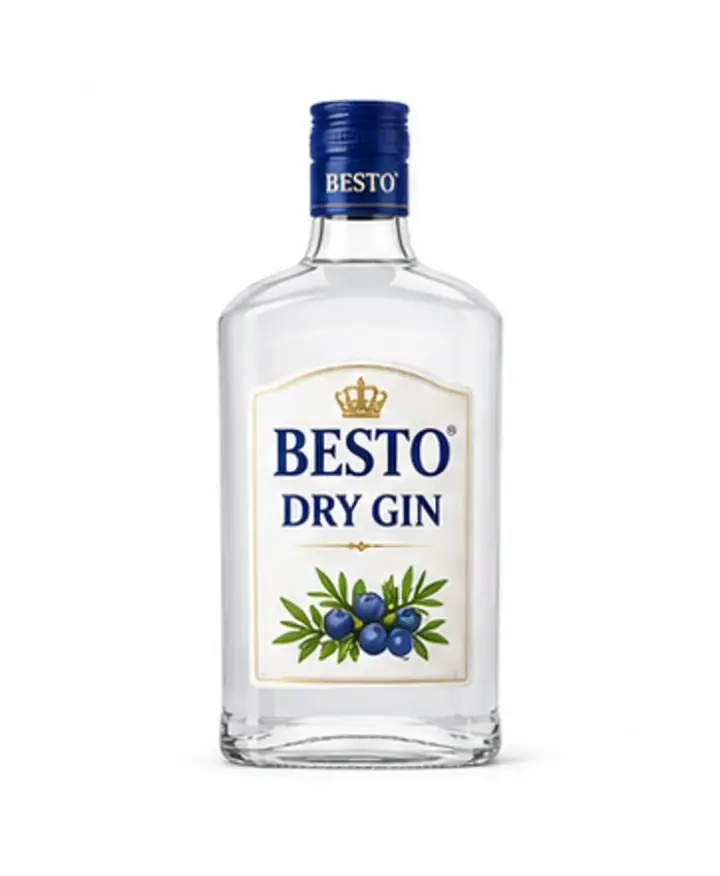
BESTO DRY GIN
BESTO DRY GIN is a gin expression from the Besto range. Start with a restrained mixer so that the gin is not overwhelmed. A fruit name on an expression is not a complete botanical or ingredient list.
Many standard-strength spirits are around 40% ABV. Flavoured, diluted and high-strength editions can be substantially different. This is general style guidance, not a verified ABV for this product. Actual strength may differ; check the bottle or can label.
BESTO DRY GIN: Gin is a juniper-led spirit, with other botanicals varying by producer. Lime, lemon and other named editions deserve their own mixer choice. Keep the garnish restrained so it complements rather than masks the drink.
For BESTO DRY GIN, use the named edition and recorded strength when comparing bottles; this style guide is not an individual tasting report. Botanicals are the plants, spices or peels used to build a gin's flavour. A juniper-led style does not reveal the full botanical recipe or how each ingredient was handled. Distilled, compound and flavoured styles can differ, so do not infer a method from a premium-looking name. Tonic contributes sweetness and bitterness of its own; soda gives a different comparison because it does not add the same quinine flavour. Citrus peel and a squeeze of juice are also different additions: one mainly brings aromatic oils, the other adds acidity. Use a modest garnish and measured portions. Lighter savoury dishes can leave room for the botanical character, while very sweet sauces may dominate a delicate serve.
Basic History
Style background: Gin's history is connected with European juniper spirits and the development of British gin styles. It later became a widely used cocktail ingredient, with modern producers exploring local botanicals and flavoured editions. This is category history, not a verified founding story for BESTO DRY GIN.
Origin & Region
This product's manufacturing origin has not been established in the catalogue. Gin is made around the world. A London-style description is not, by itself, evidence that a bottle was made in London; botanical sourcing also needs product-specific evidence.
What goes with it
 Light Salads
 Seafood
 Bruschetta
 Paneer Tikka
 Light Appetizers
 Pickled Vegetables
Reviews
No reviews yet for this drink. Be the first to share your experience.
Related Guides
 Tequila and Agave Drinks: A Beginner’s Guide for IndiaA beginner guide to tequila and agave drinks in India, covering blanco, reposado, añejo, mixers, margarita-style serves, labels, and responsible context.
 Indian Craft Gin: Botanicals, Mixers, and What Beginners Should KnowA beginner-friendly guide to Indian craft gin, botanicals, tonic, garnish, mixers, simple cocktails, food pairing, and responsible discovery.
 Ready-to-Drink Cocktails in India: What RTD Really MeansA beginner guide to ready-to-drink cocktails in India, including RTD meaning, ABV, label reading, mixers, party use, and responsible serving.